Dr. Suvio Reddy World of Neurosciences

The quest to becoming one with the soul starts with being one with the thoughts. Thoughts create actions – actions create a likelihood of a memory thus formulating an ever last latched on effect.
— Dr. Suvio Reddy
Current developments
Neuro refers to anything related to the nervous system, which includes the brain, spinal cord, and nerves. The field of neuroscience focuses on understanding how the brain and nervous system work, how they develop, and how they affect our thoughts, emotions, and behaviors. It encompasses various subfields such as cognitive neuroscience, behavioral neuroscience, and clinical neuroscience, among others. The study of neuroscience has greatly contributed to advancements in understanding neurological disorders, developing therapies, and improving overall brain health.
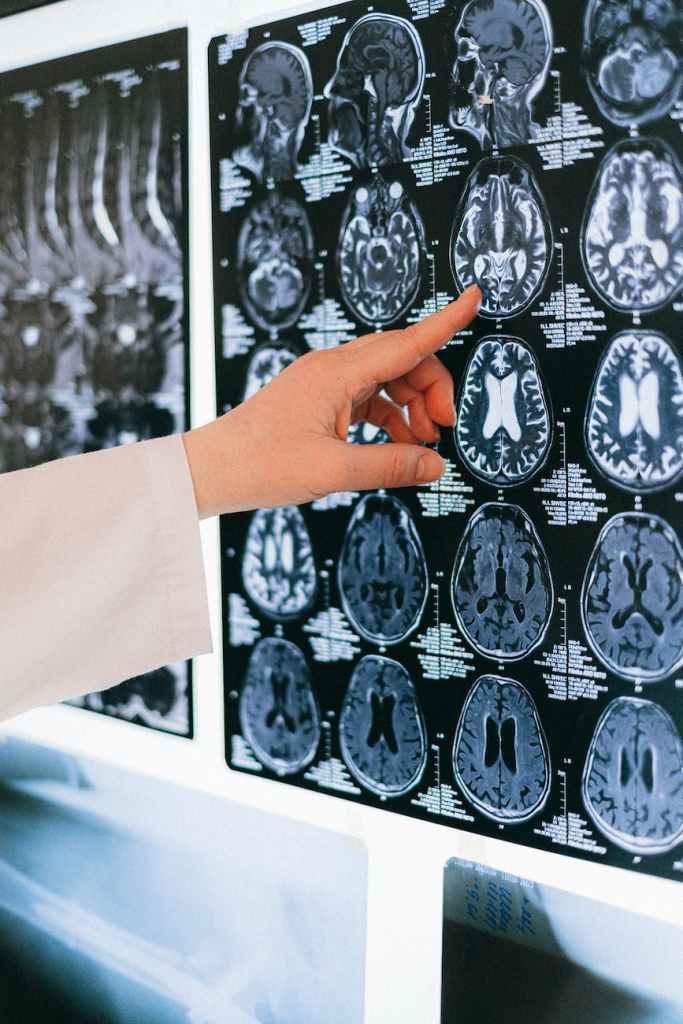

Relative neuron pathways – Meditation
Thu 25 Sep – Tue, 30 Sep
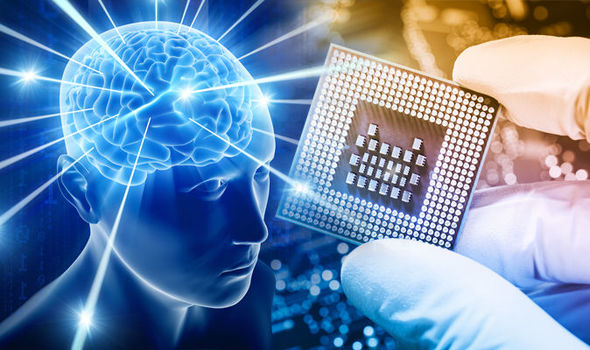
Artificial intelligence – A new world is created from coding
Thu 25 June – Tue, 30 June
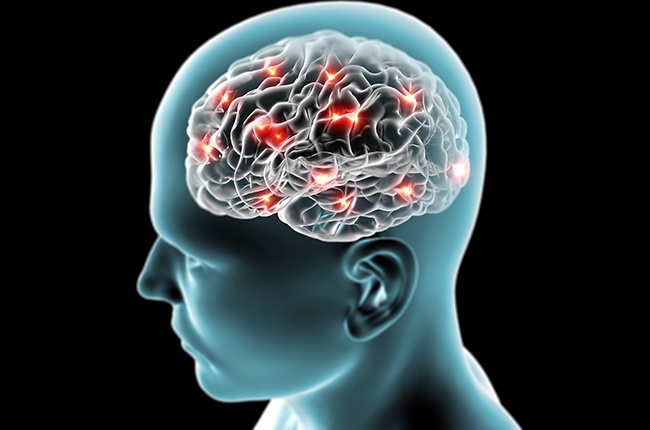
Neuron modeling – Multi-dimensional ultrastructure of a photoreceptor
Thu 25 Sep – Tue, 30 Sep
What is Neuroscience as a whole?
Neuroscience is the interdisciplinary study of the nervous system, which includes the brain, spinal cord, and peripheral nerves. It explores how these intricate networks of neurons and cells function, communicate, and interact with the rest of the body. Through various techniques and approaches, neuroscience seeks to understand the complex mechanisms underlying cognition, behavior, emotions, and other neural processes. It combines knowledge and techniques from fields such as biology, psychology, computer science, medicine, and more, aiming to unravel the mysteries of the brain and its impact on human experience. – Dr Suvio Reddy
the future for neuroscience and the developments
Neuroscience plays a crucial role in understanding the complexity of the human brain and how it influences every aspect of our lives. Here are a few key points highlighting the importance of neuroscience:
-
Advancing medical treatments: Neuroscience research has contributed significantly to advancing medical treatments for various neurological disorders such as Alzheimer’s, Parkinson’s, and epilepsy. The insights gained from studying the brain have led to the development of new therapies and interventions, offering hope to individuals affected by these conditions.
-
Understanding brain development: Neuroscience helps us understand how the brain develops from infancy to adulthood. This knowledge is invaluable in providing optimal care and support for children’s cognitive and emotional development, as well as identifying and addressing potential issues early on.
-
Enhancing learning and education: Neuroscience research has shed light on how the brain learns and retains information. Educators can leverage these findings to create effective teaching methods and tailor educational approaches that match individual learning styles, maximizing students’ potential.
-
Improving mental health: Understanding the neural basis of mental health disorders is crucial for developing targeted interventions and treatments. Neuroscience offers insights into the underlying causes of mental illnesses, helping to reduce stigma and foster empathy towards individuals experiencing such conditions.
-
Unlocking the mysteries of consciousness: Neuroscience strives to unravel the mysteries of consciousness, subjective experience, and perception. By exploring the neural correlates of consciousness, scientists can gain a deeper understanding of what makes us human and how our brain creates our reality.
-
Informing decision-making and ethics: Neuroscience research has implications for ethical considerations, such as our understanding of personal responsibility, moral decision-making, and the interface between brain and behavior. This knowledge helps inform discussions on issues like free will, criminal justice, and the nature of human agency.
The field of neuroscience continues to expand our understanding of the brain and its impact on our lives. With ongoing advancements, it has the potential to revolutionize various disciplines, from medicine and education to psychology and philosophy.
– Dr. Suvio Reddy
Last-Minute Offers
Dr. Suvio Reddy’s presentation are live and available for everyone to enjoy.
| Presentation | Target | Period | Group | Details |
|---|---|---|---|---|
| Neuropsychology | Online | Thu 25 Sep – Tue, 30 Sep | Max. 8 people | Full Details → |
| Thoughts and Vibrations | Online | Mon 5 Jun – Mon, 12 Jun | Max. 12 people | Full Details → |
| REM vs Sleep | Online | Tue, 15 July – Sun, 20 July | Max. 10 people | Full Details → |
| Behavioral Neuroscience | Online | Mon, 5 Aug – Mon, 12 Aug | Max. 8 people | Full Details → |
“The power of the human brain is equivalent to the power of the sun”
Dr. Suvio Reddy
 Neuroscience